What is Antenatal Care?
If you are expecting a baby, comprehensive antenatal care is the foundation of a healthy pregnancy. Antenatal care (also known as prenatal care) refers to
the specialized medical monitoring and expert guidance provided to expectant mothers. Our goal is to ensure a safe, stress-free journey for both mother and
baby from conception through to a successful delivery.
As a leading obstetrician and gynecologist in Kolkata, we provide evidence-based care
tailored to your unique needs. Below are the core pillars of our pregnancy management program:
1. Regular Prenatal Consultations
Routine visits with your healthcare provider are vital for tracking your baby’s milestones. These check-ups allow us to monitor maternal
health, manage blood pressure, and identify any potential complications early. Early intervention is the key to managing high-risk pregnancies
effectively.
2. Advanced Ultrasound Scans & Fetal Monitoring
We utilize state-of-the-art ultrasound technology to monitor your baby's growth and development. From early viability scans to detailed anomaly and growth scans, imaging helps us ensure your baby is reaching every developmental milestone on schedule.
3. Comprehensive Blood Tests & Screenings
Diagnostic blood work is essential to a safe pregnancy.
We conduct routine screenings to monitor hemoglobin levels, blood sugar (to screen for gestational diabetes), and blood group compatibility, ensuring we are prepared for every stage of your labor and delivery.
4. Expert Nutritional Guidance & Supplements
Proper nutrition is the fuel for your baby’s development. We offer personalized dietary advice, focusing on essential nutrients like Folic Acid, Iron, and Calcium. Our experts guide you on the best prenatal supplements to support your baby’s brain and bone health.
5. Safe Pregnancy Exercise & Wellness
Maintaining physical activity is highly beneficial for a smoother labor and faster postpartum recovery. We provide professional advice on safe, low-impact exercises and prenatal yoga, helping you manage weight and reduce common pregnancy discomforts like back pain.
6. Personalized Delivery Options: Normal & C-Section
Every birth is unique. We specialize in both Painless Normal Delivery (using epidural analgesia) and medically indicated C-Section (Cesarean) deliveries. Whether you are planning a natural birth or require a high-risk surgical intervention, our team is dedicated to providing the safest birthing experience in Kolkata.
Painless Normal Delivery: A Complete Guide to a Comfortable Childbirth
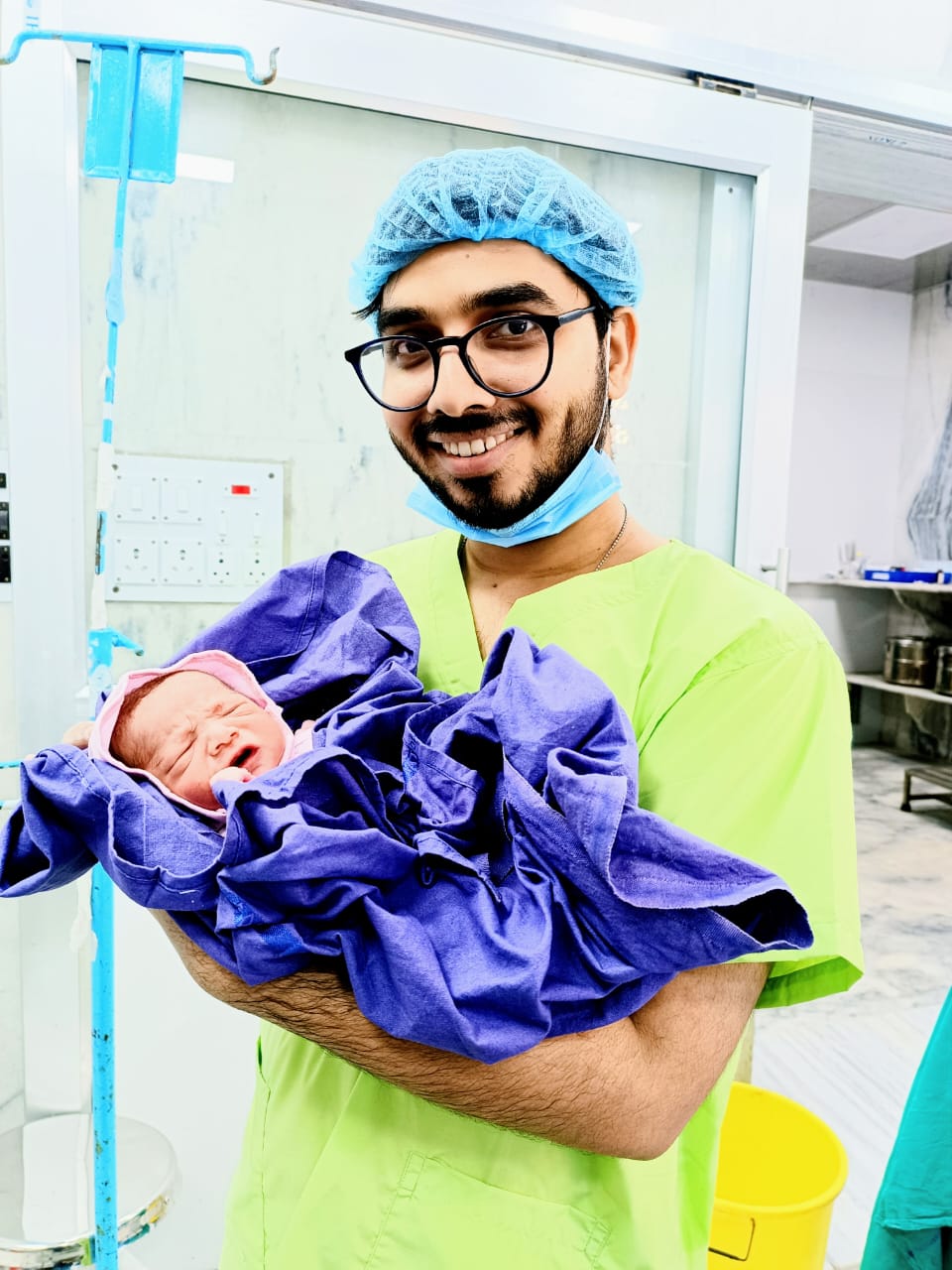
For many expectant mothers, the fear of labor pain is a major source of anxiety. However, modern medical advancements have made it possible to experience a natural vaginal birth with minimal discomfort through painless normal delivery. This approach utilizes epidural analgesia to ensure a smoother, less stressful birthing process for both the mother and the baby.
What is Painless Normal Delivery?
A painless normal delivery is a traditional vaginal birth where an epidural is used to manage labor pain. It blocks pain signals from the lower half of the body while allowing the mother to remain fully conscious and alert. Unlike general anesthesia, you are awake, can feel the pressure of contractions, and can actively participate in pushing your baby into the world.
Step-by-Step Procedure of Epidural Analgesia
The procedure is performed by a specialized anesthesiologist, typically once you have entered the active phase of labor (usually when the cervix is dilated to 4–5 cm).
Preparation:
You will be asked to sit up and hunch your back or lie on your side in a fetal position. This helps open the spaces between your spinal bones.
Key Benefits of Choosing a Painless Birth
• Significant Pain Relief: It effectively reduces the intense pain of contractions, making labor manageable.
• Energy Conservation: By eliminating extreme pain, you can rest during the early stages of labor and save your strength for the final pushing stage.
• Reduced Stress Hormones: Pain causes the body to release stress hormones like adrenaline, which can slow down labor. An epidural helps maintain a calm environment.
• Active Participation: Mothers remain alert and can enjoy the emotional experience of childbirth without being overwhelmed by physical agony.
Is It Safe?
Epidural analgesia is globally recognized as one of the safest and most effective methods for labor pain relief. While some may experience minor side effects like a temporary drop in blood pressure, these are easily managed by the medical team. It does not affect the baby’s health or the mother’s ability to breastfeed immediately after birth.
By choosing a painless delivery, you are opting for a safe, controlled, and positive birthing experience that prioritizes your comfort and your baby’s well-being.

What Is Normal Delivery?
Normal delivery, also known as vaginal delivery, is the natural process in which a baby is born through the birth canal without the need for major surgical intervention. It is the most common and preferred method of childbirth when pregnancy progresses without complications.
Overview & Advantages
Normal (vaginal) delivery typically results in faster recovery, shorter hospital stay, and earlier bonding with your newborn. It allows the baby to clear fluid from the lungs naturally and supports early breastfeeding.
Key points:
• Shorter recovery time
• Lower risk of major surgical complications
• Better initial respiratory adaptation for baby
Benefits of Normal Delivery
Normal delivery offers several advantages for both mother and baby, including faster recovery, lower risk of infection, shorter hospital stay, and early bonding with the newborn. Babies born through vaginal delivery also benefit from improved lung function and stronger immunity.
When Is Normal Delivery Recommended?
Normal delivery is recommended when the mother and baby are healthy, the baby is in a head-down position, and labor progresses naturally. Proper antenatal care and regular monitoring during pregnancy increase the chances of a safe and successful vaginal birth.
Stages of Normal Labor
Normal labor occurs in stages, beginning with regular uterine contractions and cervical dilation, followed by the delivery of the baby, and finally the delivery of the placenta. Continuous medical supervision ensures safety throughout each stage.
Factors That Support a Safe Normal Delivery
Maintaining a healthy lifestyle, attending regular antenatal check-ups, following medical advice, and staying physically and emotionally prepared can improve the likelihood of a smooth normal delivery.
When to Consult an Obstetrician
Consult an experienced obstetrician and gynaecologist to discuss your delivery plan, address concerns, and ensure proper guidance throughout pregnancy. Expert care helps promote a safe normal delivery and a positive childbirth experience.
What Is a C-Section Delivery?
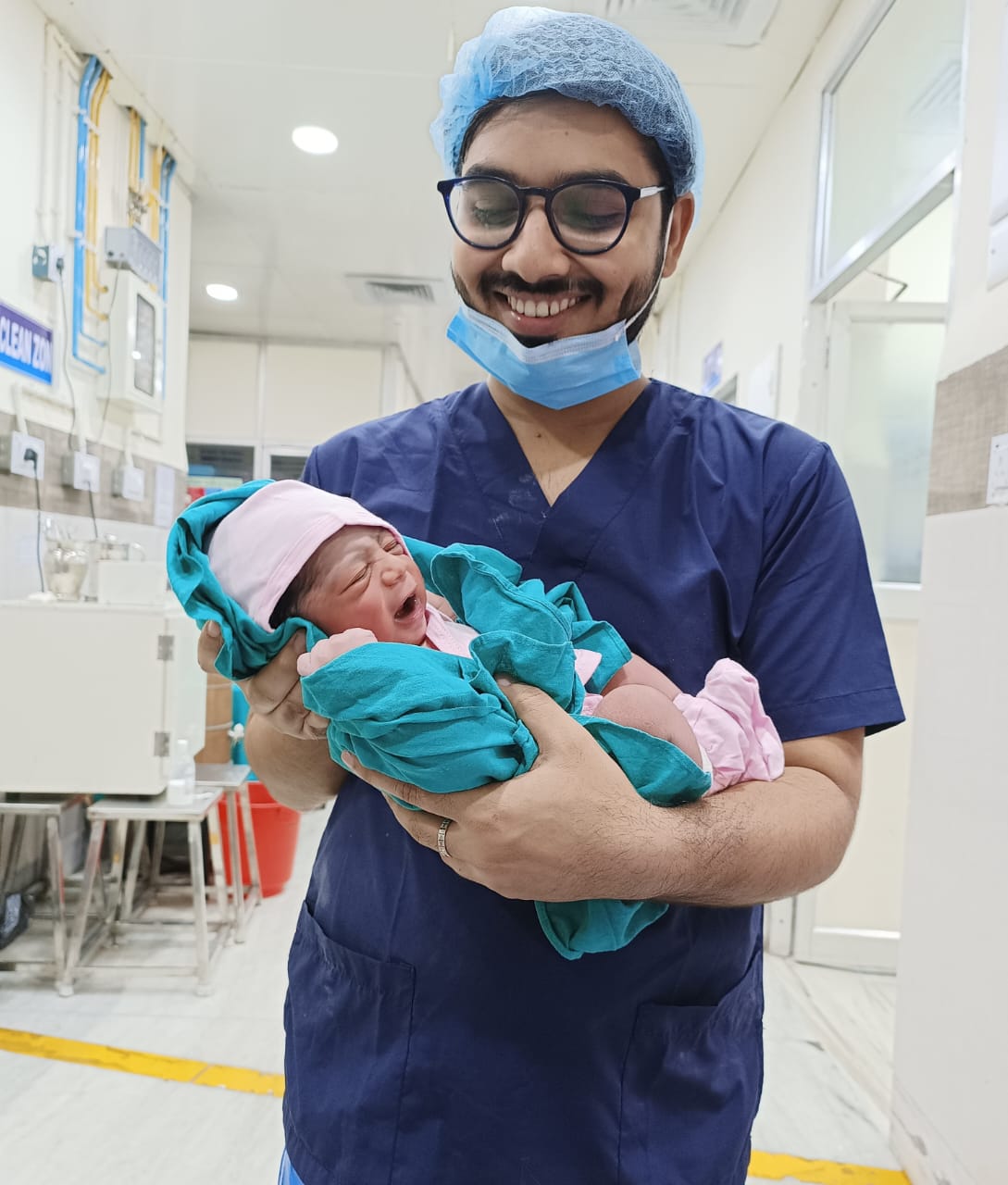
A C-section delivery, also known as caesarean section, is a surgical procedure in which the baby is delivered through an incision made in the mother’s abdomen and uterus. It is performed when a normal vaginal delivery may pose risks to the mother or baby.
When Is a C-Section Recommended?
A caesarean delivery may be advised in cases such as prolonged or obstructed labor, fetal distress, breech or abnormal baby position, multiple pregnancies, placenta-related complications, or certain maternal health conditions. The decision is made to ensure the safest possible outcome.
Benefits of Planned C-Section
A planned C-section allows for a controlled and safe delivery when medical conditions require it. It helps prevent emergency situations, reduces complications during childbirth, and ensures immediate medical care for both mother and baby.
Recovery After C-Section Delivery
Recovery after a C-section typically takes longer than normal delivery and includes hospital observation, pain management, wound care, and gradual return to daily activities. Proper medical follow-up supports smooth healing and recovery.
Expert Care for Safe Caesarean Delivery
Consulting an experienced obstetrician and gynaecologist ensures accurate decision-making, safe surgical care, and personalized post-delivery support. With expert medical guidance, C-section delivery can be a safe and positive childbirth experience.

High-Risk Pregnancy: Signs, Causes & Recommended Tests
A high-risk pregnancy involves potential health complications for the mother, the baby, or both.
While this requires extra care, specialized monitoring can help ensure a safe delivery.
Understanding the signs and causes is the first step toward effective management.
Warning Signs to Watch For
If you experience any of the following symptoms, immediate medical attention is required:
• Physical Discomfort: Persistent abdominal pain, chest pain, or severe headaches that won't subside.
• Changes in Movement: A noticeable decrease or stopping of fetal movement.
• Severe Symptoms: Dizziness, fainting, difficulty breathing, or heart palpitations.
• Visible Signs: Vaginal bleeding, increased discharge, or swelling/redness in the face and limbs.
• Other Issues: Severe nausea/vomiting beyond normal morning sickness or extreme fatigue.
Common Causes & Risk Factors
A pregnancy may be classified as high-risk due to pre-existing conditions or issues that develop during gestation:
• Maternal Age: Being under 17 or over 35 years old.
• Medical History: Conditions like high blood pressure, diabetes, thyroid disease, epilepsy, obesity, or heart disorders.
• Lifestyle Factors: Smoking, alcohol consumption, or drug use.
• Pregnancy Complications: Carrying twins/multiples, placental problems, Rh sensitization, or fetal growth restriction.
• Previous History: Past issues such as recurrent miscarriages, preterm delivery, or preeclampsia.
Recommended Diagnostic Tests
To manage these risks effectively, your gynecologist may recommend specialized screenings:
• Advanced Ultrasounds: 3D/4D scans to check development and Cervical Length Ultrasound to assess premature labor risk.
• Cell-Free DNA Screening: A blood test to detect chromosomal abnormalities.
• Invasive Genetic Testing: Amniocentesis (testing amniotic fluid) or Chorionic Villus Sampling (CVS) for detailed genetic analysis.
• Routine Lab Work: Blood and urine tests to monitor infections, anemia, and sugar levels.
What Is an Ectopic Pregnancy?
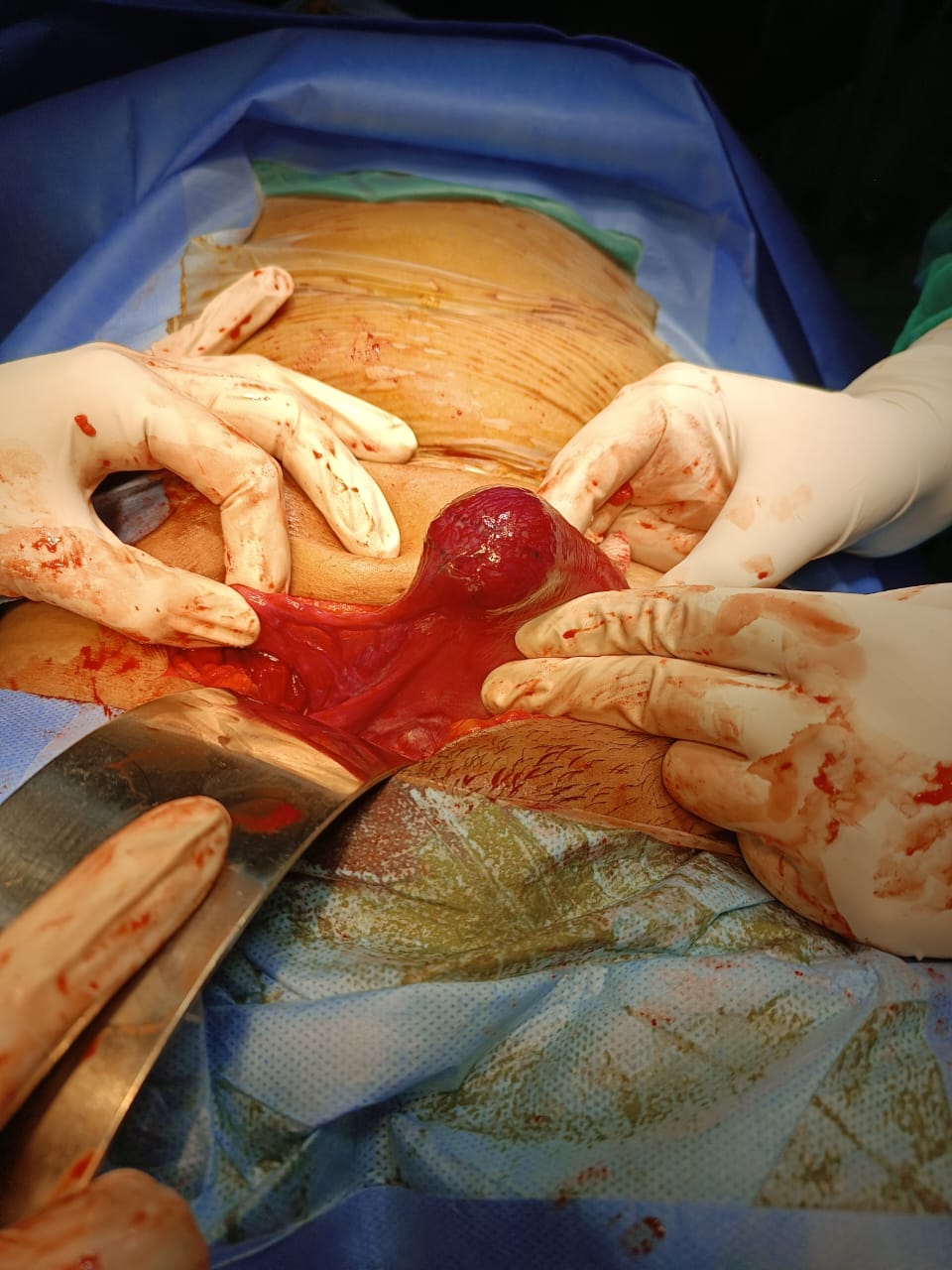
An ectopic pregnancy occurs when a fertilized egg implants outside the uterus instead of the uterine cavity, most commonly in the fallopian tube. Since this location cannot support normal pregnancy growth, an ectopic pregnancy is a serious medical condition that requires early diagnosis and expert medical care.
Why Ectopic Pregnancy Needs Immediate Attention
As the pregnancy grows outside the uterus, it can cause the fallopian tube to stretch or rupture, leading to internal bleeding and severe complications. Without timely treatment, ectopic pregnancy can become life-threatening. Early consultation with an experienced obstetrician and gynaecologist significantly reduces risks and protects future fertility.
Causes and Risk Factors of Ectopic Pregnancy
Common causes include damage or blockage of the fallopian tubes due to pelvic infections, pelvic inflammatory disease (PID), previous ectopic pregnancy, tubal or abdominal surgery, infertility treatments, endometriosis, smoking, and the use of intrauterine contraceptive devices (IUDs).
Symptoms of Ectopic Pregnancy
Early symptoms may resemble normal pregnancy and include missed periods and mild abdominal discomfort. Warning signs include lower abdominal or pelvic pain, vaginal bleeding, shoulder pain, dizziness, weakness, or fainting. Immediate medical evaluation is advised if any of these symptoms occur.
Recommended Medical Tests for Diagnosis
Diagnosis of ectopic pregnancy involves blood tests to measure beta-hCG hormone levels and transvaginal ultrasound to confirm the location of the pregnancy. Additional blood tests may be performed to assess blood loss and overall health, allowing accurate and timely treatment decisions.
Treatment Options for Ectopic Pregnancy
Treatment depends on early detection and the patient’s condition. Early-stage ectopic pregnancy may be treated with medication such as methotrexate to safely stop pregnancy growth. In advanced cases or if rupture has occurred, minimally invasive or emergency surgical treatment may be required.
Expert Care and When to Consult a Doctor
If you experience severe abdominal pain, heavy bleeding, dizziness, or fainting during early pregnancy, seek immediate medical care. Consulting a qualified obstetrician and gynaecologist ensures accurate diagnosis, safe treatment, and personalized care to support your reproductive health.
What Is a Breech Delivery?
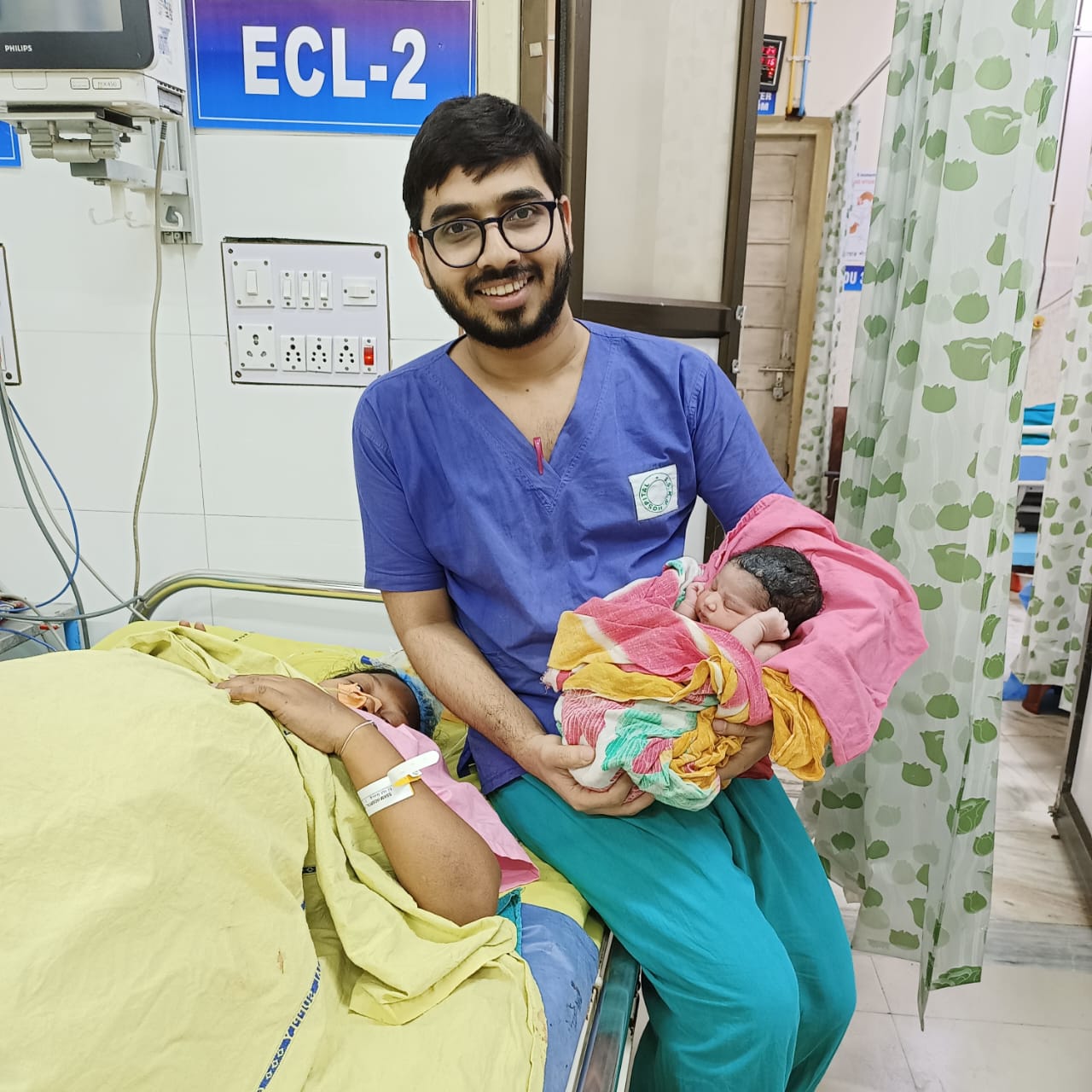
A breech delivery occurs when a baby is positioned feet-first or bottom-first in the uterus instead of the normal head-down position near the end of pregnancy. Breech presentation is usually identified in the third trimester and requires careful monitoring and expert obstetric care to ensure the safety of both mother and baby.
Why Breech Presentation Needs Special Attention
During a breech delivery, there is a higher risk of complications during labor, including difficulty in delivering the baby’s head and reduced oxygen supply. Early diagnosis and proper planning by an experienced obstetrician help determine the safest mode of delivery and reduce potential risks.
Types of Breech Presentation
Common types of breech presentation include frank breech (baby’s bottom down with legs extended), complete breech (baby sitting cross-legged), and footling breech (one or both feet positioned to come out first). Each type requires individual assessment and management.
Causes and Risk Factors of Breech Presentation
Breech position may occur due to premature delivery, multiple pregnancies, low or excess amniotic fluid, uterine abnormalities, placenta previa, fibroids, or previous pregnancies. In many cases, the exact cause may not be identified.
Diagnosis and Recommended Medical Tests
Breech presentation is usually diagnosed during routine antenatal check-ups through abdominal examination and confirmed by ultrasound. Ultrasound also helps assess fetal growth, amniotic fluid levels, placental position, and overall fetal wellbeing.
Management and Treatment Options
In some cases, a procedure called external cephalic version (ECV) may be recommended to gently turn the baby into a head-down position before delivery. If the baby remains in breech position, the doctor may advise a planned caesarean section or, in selected cases, a carefully supervised vaginal breech delivery.
When to Consult a Specialist
If your baby is diagnosed in a breech position, timely consultation with an experienced obstetrician and gynaecologist is essential. Expert guidance helps create a safe delivery plan tailored to your pregnancy, ensuring the best possible outcome for mother and baby.